Iran Conflict: Fuel Prices, Sanctions, and Hormuz Tensions
The Middle East remains a focal point of global attention, with the ongoing situation surrounding Iran casting long shadows over international politics, economics, and security. Recent developments in Iran News highlight a complex tapestry of military confrontations, persistent economic sanctions, and heightened tensions around critical maritime chokepoints. This intricate dance of power and leverage has profound implications, most notably for global fuel prices and energy security worldwide.
The Strait of Hormuz: Global Energy's Vulnerable Artery
At the very heart of the economic dimension of the Iran conflict lies the Strait of Hormuz. This narrow, strategic waterway, connecting the Persian Gulf with the open ocean, is arguably the world's most critical chokepoint for oil transit. Approximately one-fifth of the world's total petroleum consumption, alongside a significant portion of its liquefied natural gas (LNG), navigates through this 21-mile wide strait daily. The sheer volume of global energy passing through makes any disruption here a potential catastrophe for international markets.
Recent reports consistently underscore the continuous passage of various vessels through this strategic choke point, even amidst escalating regional tensions. Iran, due to its geographical proximity, possesses significant leverage over the strait. The nation has historically demonstrated its capacity and willingness to impact maritime traffic, conducting military exercises and issuing stark warnings that resonate across global energy markets. A chilling warning from Iran declared it would show ‘zero restraint’ if its energy infrastructure were targeted again, a direct threat that could translate into action within or near the Strait of Hormuz. The vigilant presence of international navies, particularly those of the U.S. and its allies, is thus indispensable in safeguarding this crucial artery of global trade, yet the risks remain palpable.
Sanctions, Oil Prices, and the Economic Ripple Effect
Economic sanctions have long served as a primary instrument of international pressure on Iran, particularly concerning its nuclear program and regional activities. The cumulative weight of these restrictions has severely impacted Iran's economy and its ability to export oil, traditionally its main revenue generator. However, recent Iran News suggests a potential shift, with reports indicating the U.S. is considering lifting sanctions on some Iranian oil. Such a move, if it materializes, could significantly alter global energy supply dynamics, potentially injecting substantial Iranian crude back into the market and influencing global prices downwards.
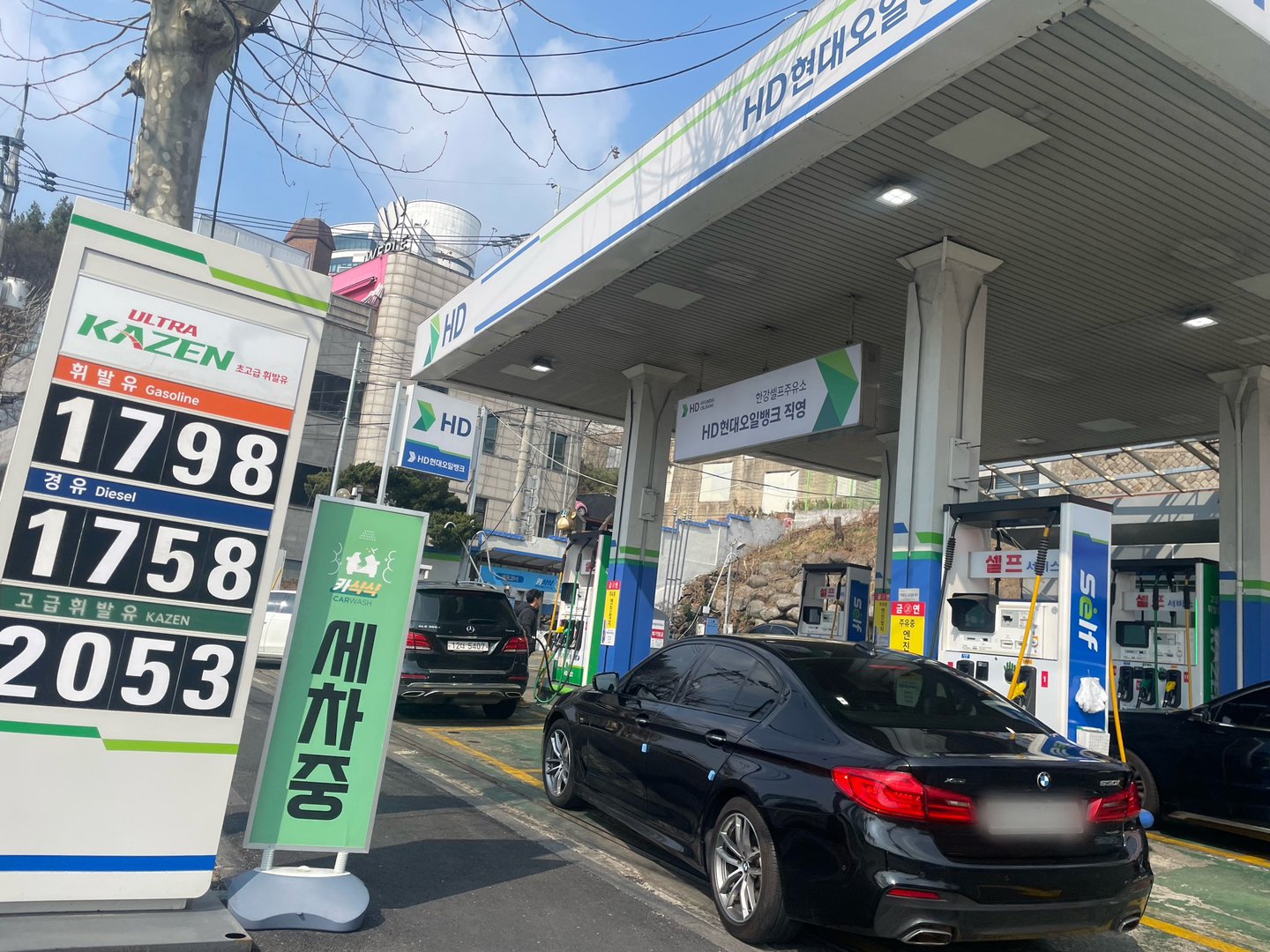
Yet, the path to easing sanctions is far from straightforward. The mere speculation of more Iranian oil entering the market can create a "war premium" volatility that impacts consumers and industries globally. The fallout of the broader Iran conflict is already evident in various parts of the world. Southeast Asian nations, for instance, have been particularly hard hit by skyrocketing fuel prices, straining their economies and household budgets. For countries like India, already grappling with a gas shortage, the current situation risks pushing them towards more polluting fuels to meet their energy demands, illustrating the far-reaching humanitarian and environmental consequences. Businesses heavily reliant on stable fuel prices, from logistics and shipping companies to airlines and manufacturing, must meticulously monitor these developments and explore strategies for mitigating potential price surges, such as hedging or diversifying supply chains.
Military Standoffs and Diplomatic Tightropes
Beyond economic pressures, the military and diplomatic dimensions of the Iran conflict are equally critical in shaping its trajectory. Recent events underscore a period of intense and precarious escalation. Reports, for instance, of Iran reportedly forcing a U.S. F-35 fighter jet to make an emergency landing signify an unprecedented level of confrontation. This incident alone represents a significant escalation in the ongoing standoff between the two nations, raising serious questions about rules of engagement and the implications for technological superiority. For a deeper dive into this significant event and its potential ramifications, you can read our detailed analysis: Iran Forces F-35 Landing: Escalation in US-Iran Standoff.
The broader military landscape has also seen alarming developments. Israel has reportedly pounded Tehran with airstrikes, even as Iranians marked Nowruz, the Persian New Year. These attacks followed closely after Israel pledged to refrain from further strikes on key Iranian gas fields, itself a reaction to intensified Iranian attacks on oil and natural gas facilities around the Gulf. Such tit-for-tat exchanges illustrate a dangerous cycle of retaliation, where de-escalation promises can quickly unravel, threatening broader regional stability.
Financially, the costs of potential conflict are staggering. The U.S. reportedly spent $12.7 billion in just six days on the "war on Iran," with the Pentagon subsequently seeking an additional $200 billion for the conflict and beyond. These figures starkly highlight the immense economic burden of military engagement, impacting not only the immediate combatants but also global economies through diverted resources and increased instability.
Amidst this military posturing, diplomatic efforts and perspectives vary widely. Oman, a key regional mediator, has controversially claimed that Israel pushed the U.S. into an Iran war when a deal was still possible. This view directly challenges the narrative, espoused by some analysts, that the U.S.-Israeli strategy against Iran is effectively working. Meanwhile, the U.N. atomic energy chief asserts that war cannot entirely eliminate Iran's nuclear program, suggesting that diplomatic solutions, however challenging, remain the only viable long-term approach to preventing nuclear proliferation. Even during periods of heightened tension, cultural events like Nowruz continue to reflect the rich tapestry of Persian identity amidst the backdrop of Islamic theocracy. Understanding the complex interplay between state media, culture, and politics in Iran is essential for a complete picture. For more on these intricate aspects, including how state-owned media like the "Iran" newspaper (owned by the Islamic Republic News Agency, IRNA, which also publishes an English-language daily, Iran Daily) shape narratives, explore our related article: Beyond War: Iran's State Media, Culture, and Political Landscape.
Navigating Volatility: Implications for Global Stability
The multifaceted Iran conflict presents a dynamic and volatile situation with far-reaching implications. For global markets, particularly in energy, the ongoing tensions introduce a significant degree of uncertainty. The interplay between sanctions relief, military posturing in the Strait of Hormuz, and the broader geopolitical chess game directly impacts the price and availability of crude oil and natural gas. This means:
- For Businesses: Companies with significant energy consumption or supply chain dependencies need robust risk management strategies. This includes exploring hedging options against oil price volatility, diversifying energy sources, and building resilient supply chains that can withstand potential disruptions.
- For Governments: Policymakers face the delicate task of balancing national security interests with economic stability. The imperative is to maintain open channels for de-escalation, foster robust international diplomacy, and pursue multilateral approaches to conflict resolution. The humanitarian and environmental costs, as seen in India's potential shift towards polluting fuels, underscore the broader societal impact of these conflicts.
- For the Public: Understanding the complex narratives, often influenced by state-controlled media like the pro-government "Iran" newspaper (owned by the Islamic Republic News Agency, IRNA), is crucial. Critical consumption of Iran News and diverse information sources is essential to forming an informed perspective on the conflict's origins and potential trajectories.
The financial costs of military engagement are also a major concern, diverting colossal sums that could otherwise be invested in development, climate action, or public services. The U.S. financial commitment alone highlights the massive drain on resources that prolonged conflict entails, affecting taxpayers and national priorities.
Conclusion
The Iran conflict is a geopolitical Gordian knot, intricately tying together energy security, economic stability, and international peace. From the strategic choke point of the Strait of Hormuz and the impact of sanctions on global fuel prices to direct military confrontations and complex diplomatic overtures, every development carries significant weight. As the world watches Iran News unfold, the critical challenge remains to navigate these treacherous waters with a blend of strategic foresight, unwavering diplomacy, and a commitment to de-escalation, ensuring that regional tensions do not spiral into a wider, more devastating global crisis.